
Category: Uncategorized

  • Revolutionize Your Crypto Trading with Innovative Visual Tools for Market Trends

    [ez-toc] 

    In the dynamic world of cryptocurrency, staying ahead of market trends can feel like navigating a labyrinth. Enter the Crypto Bubbles app—a game-changer for crypto enthusiasts and investors alike. This innovative tool offers a visual representation of market movements, making it easier to spot trends and make informed decisions.

    Crypto Bubbles App

    The Crypto Bubbles app uses an interactive, bubble-based interface to visualize cryptocurrency market trends. Each bubble represents a different cryptocurrency and changes in size and color based on market performance. This design helps users quickly grasp complex market data.

    Users can customize their experience by adjusting settings to focus on specific cryptocurrencies or market caps. The app provides real-time updates, keeping information current and relevant. Its user-friendly interface caters to both beginners and seasoned traders.

    Key features include a customizable dashboard, real-time alerts, and detailed analytics. The app offers in-depth insights, helping users make informed trading decisions. It’s available on multiple platforms, ensuring accessibility for all users.

    Key Features Of The Crypto Bubbles App

    The app uses an interactive bubble-based interface to represent cryptocurrencies visually. Each bubble changes in size and color based on market performance, making it simple to track trends. Users can personalize their dashboard by selecting specific cryptocurrencies, market cap segments, and more. This customization allows for a tailored view of the market landscape.

    The app provides real-time alerts, ensuring that users receive immediate notifications about significant market movements. These alerts help traders act swiftly on market opportunities. Users have access to detailed analytics, offering in-depth insights into cryptocurrency performance. Metrics include price changes, volume, and market cap trends.

    The Crypto Bubbles app is accessible on various platforms, including iOS, Android, and web browsers. This ensures users can stay updated regardless of their preferred device. Advanced filtering options allow users to focus on specific criteria, such as top gainers, market caps, or trading volumes. This feature facilitates a more efficient market analysis.

    Crypto Bubbles Pros and Cons

    Pros:

    1. User-Friendly Interface: The interactive, bubble-based design simplifies market data, making it easy for users to grasp complex information quickly.
    2. Customization Options: Users can personalize their experience by selecting specific cryptocurrencies and market caps, focusing on what matters most to them.
    3. Real-Time Updates: Real-time alerts and updates ensure users have the latest market information, helping them make informed decisions.
    4. Detailed Analytics: The app provides in-depth analysis and insights into cryptocurrency performance, supporting more strategic trading decisions.
    5. Multi-Platform Accessibility: Available across various devices, the app ensures users stay connected and informed on the go.

    Cons:

    1. Learning Curve: While the interface is user-friendly, new users might need time to get accustomed to the bubble-based design.
    2. Data Overload: The plethora of real-time updates and analytics can overwhelm users, particularly beginners.
    3. Dependency on Internet: The app requires a stable internet connection for real-time updates, posing issues for those in areas with unreliable connectivity.
    4. Subscription Costs: Some advanced features and analytics may come with a fee, which might deter budget-conscious users.
    5. Limited Support: Users may find the customer support options lacking in responsiveness and availability, affecting their overall experience.

    Pricing And Subscription Options

    Crypto Bubbles offers a range of subscription plans to cater to different user needs. Users can choose from a free basic version that provides essential features or opt for premium plans for advanced functionalities. These premium plans include real-time alerts, detailed analytics, and customization options.

    The app’s pricing is competitive with monthly and annual subscription models available. Potential users should consider their trading needs and budget when selecting a plan. Crypto Bubbles aims to provide value at every level, ensuring both novice and experienced traders can benefit from its innovative features.

    Overall, Crypto Bubbles stands out as a valuable tool for anyone looking to navigate the volatile world of cryptocurrency. Its unique visual approach combined with robust analytical tools makes it a must-have for traders seeking to stay ahead of market trends.

  • Unveiling the Truth that Are Smart Home Savings Truly Legitimate?

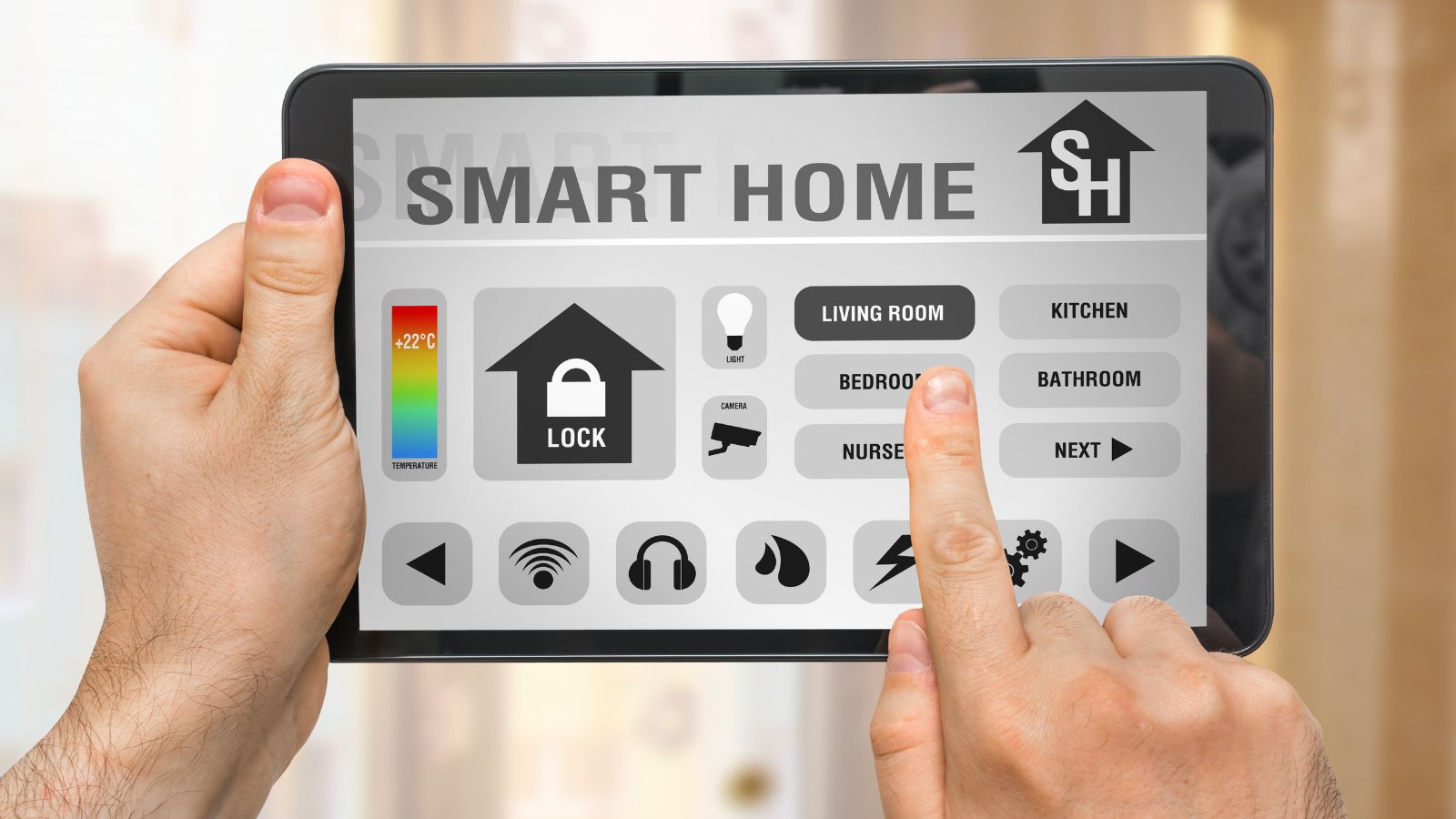
    As we step into the future, smart homes are becoming less of a luxury and more of a necessity. But with this shift, there’s a question that’s been nagging at the back of our minds – are the savings from smart homes really legit?

    In this digital age, we’re always on the hunt for ways to make our lives easier and more efficient. Smart homes promise to do just that and more, with the added bonus of potentially saving us some hard-earned cash. But is this too good to be true?

    Join me as I dive into the world of smart homes, exploring their cost-effectiveness and whether they’re truly the money-saving solution they claim to be. Let’s uncover the truth behind smart home savings together.

    Is Smart Home Savings Legit

    Smart Home Savings: An Overview

    Smart home savings refer to the financial benefits homeowners reap from using smart home technologies. Equipped with automation and energy-efficient capabilities, these intelligent systems enable cost-effectiveness in the long run. For example, smart thermostats manage home temperature optimally, minimizing energy waste and decreasing utility bills, accentuating the smart home savings proposition.

    How Does Smart Home Savings Work?

    Smart homes, as they stand, operate on a simple principle: efficient use of resources. Automated systems conserve energy by optimizing the use of lighting, heating, cooling, and general energy consumption. For instance, automated window blinds lower during peak sunny hours, reducing air conditioning usage and resulting in a significant cut of energy costs. Thus, gradual savings over time solidify the claim of smart homes being a financially viable investment.

    Evaluating the Legitimacy of Smart Home Savings

    Accreditation and Business Standards

    Check the accreditation of the smart home products’ manufacturer. Renowned accreditation bodies like the Better Business Bureau (BBB) or International Electrical Commission (IEC) lend credibility to a product. For instance, an IEC certified smart thermostat, it’s seen as compliant with recognized international standards. The business practices of the manufacturer also reflect on the legitimacy of projected savings. A stable company with a history of ethical conduct and adherence to established standards cements confidence in the accuracy of projected savings.

    Customer Analysis and Ratings

    Take the opinions of previous users into consideration, as they offer first-hand experience with the product and savings. Industry-specific platforms like CNET or TechRadar often feature independent customer evaluation and ratings. So, a smart home product with a high average rating and positive evaluation, such as a 4-star rating on CNET, signifies that the majority of users confirm the legitimacy of potential savings. Remember, the credibility lies in the majority, not in isolated incidents.

    Features of Smart Home Savings

    Home Automation Products

    Smart home savings mainly hinge on the presence of automation products. These gadgets simplify everyday life yet are well-known for their role in energy conservation. For example, dimmable LED light bulbs, programmable thermostats, and motion-sensor power strips play a pivotal role in home automation. Such devices, when utilized effectively, lead to meaningful reductions in energy consumption. Product reputations matter, and credible sources like Consumer Reports offer valuable insights into product longevity and effectiveness.

    Packages and Pricing

    In decoding the legitimacy of smart home savings, one can’t overlook the role of packages and pricing. Home automation companies often bundle products and services, providing opportunities for consumers to make optimum choices for their unique needs. These bundles, which often include a combination of smart lights, plugs, thermostats, and linked services, vary considerably in price. Identifying the right bundle can be facilitated by reputable comparison platforms like CNET or TechRadar, leading to optimized home automation without straining the budget.

    Comparing Smart Home Savings with Other Platforms

    Similar Platforms for Home Automation

    Many platforms exist alongside Smart Home Savings in the home automation industry. The likes of Vivint, Nest, Hive, and others have emerged as strong contenders.

    Differences in Features and Pricing

    Each home automation platform puts forth an array of features and pricing strategies to attract consumers. Drawing a comparison, discrepancies abound. Here, we’ll unpack those variations. It’s vital for users to make decisions after careful consideration of their specific requirements and budget constraints. The aforementioned information should act as a stepping stone towards finding the best fit.

  • Designer and Developer: The Key to Successful Collaboration

    Designer Vs Developer

    When it comes to the digital world, the dynamic interplay between designers and developers is crucial for creating exceptional websites and applications. Designers bring creativity and aesthetics to the table, crafting visually appealing layouts and user interfaces. On the other hand, developers focus on the technical aspects, bringing these designs to life through coding and functionality. While designers prioritize user experience and visual appeal, developers ensure that the final product is functional and optimized for performance. Understanding the distinct yet complementary roles of designers and developers is essential for successful digital projects.

    Understanding the Roles

    Designers and developers play pivotal roles in the digital realm. Designers infuse creativity and aesthetics into projects, crafting visually captivating layouts and intuitive user interfaces that enhance user experience. On the other hand, developers specialize in the technical aspects, translating these designs into functional digital assets through coding and optimization for superior performance. It’s essential to grasp the unique responsibilities of both designers and developers to ensure the seamless execution of digital initiatives.

    Key Differences

    In the digital realm, designers and developers play vital roles that complement each other to achieve successful projects. Designers focus on creativity and aesthetics, while developers work on the technical aspects, ensuring functional digital assets are created for optimal performance.

    Skill Set Variation

    Designers possess skills in graphic design, user experience (UX) design, and knowledge of design tools like Adobe Creative Suite. On the other hand, developers are skilled in programming languages such as HTML, CSS, JavaScript, and frameworks like React or Angular. Designers excel in visual communication and layout design, while developers specialize in coding, debugging, and problem-solving in software development.

    Job Responsibilities

    Designers are responsible for creating mockups, wireframes, and visual elements of digital products. They ensure the user interface is intuitive, visually appealing, and aligns with the brand’s aesthetics. Developers, on the other hand, turn these designs into functional websites or applications by writing code, testing for bugs, and ensuring the site or app functions seamlessly across different devices and browsers. They focus on the functionality, performance, and scalability of the digital product.

    Collaboration and Communication

    Designers and developers must maintain effective collaboration and communication throughout a project to ensure its success. It’s essential for designers and developers to work closely together, leveraging their individual expertise to achieve project goals efficiently. Clear communication between designers and developers is key to aligning design aesthetics with technical feasibility. By sharing insights and feedback, designers and developers can streamline the development process and address any design-implementation challenges promptly.

    Collaboration between designers and developers involves regular meetings to discuss project progress, identify potential issues, and make necessary adjustments. This iterative process allows for continuous feedback loops, enabling teams to refine their work and deliver high-quality digital products. When designers and developers communicate openly and transparently, they can effectively bridge the gap between design concepts and functional implementation, leading to cohesive and user-friendly digital experiences.

    Challenges Faced

    Collaboration between designers and developers can sometimes pose challenges due to differences in their approaches and perspectives. Designers, with a focus on creativity and aesthetics, may clash with developers who prioritize functionality and efficiency. Ensuring that both parties understand and respect each other’s priorities is essential to overcome these challenges.

    Communication gaps can arise when technical jargon used by developers is not fully understood by designers, leading to misunderstandings and delays in project timelines. It’s crucial for designers and developers to bridge this communication gap through regular discussions and the use of clear, concise language that considers each other’s expertise.

    Another common challenge is maintaining a balance between creativity and technical constraints. Designers may come up with intricate and visually stunning concepts that are technically complex to implement. Developers need to find innovative solutions to bring these designs to life while ensuring optimal performance and functionality. Striking this balance requires flexibility, problem-solving skills, and a willingness to collaborate closely.

    Meeting project deadlines can also be a significant challenge, as design iterations, technical revisions, and unforeseen issues can impact timelines. Effective project management, setting realistic milestones, and continuous feedback loops between designers and developers are crucial to staying on track and delivering projects successfully on time.